
To order phone cases in bulk across mixed models, styles and colors, prepare a separate line for each variant and ask the supplier to approve the mix before you commit. Some stock products support mixed orders; others have minimum quantities for each phone model, color or custom option. Send Kejie the product links, quantities and packaging details. The quote can then show which combinations are available, what needs changing and how each item will be packed.
View the order template Ask Kejie to review my mix →

1. Confirm what can be combined
“Mixed model phone cases wholesale” describes an order request—not one universal purchasing rule. Get a line-by-line reply.
| What you want to mix | What to ask Kejie to confirm | What to record |
|---|---|---|
| Phone models | Which exact molds are available for the chosen style? | Full model name and approved product code. |
| Styles / materials | Can different product families share one order or shipment? | Separate style lines, prices and availability. |
| Colors | Is the minimum per color, per model, or an approved mixed total? | Supplier color reference and accepted quantity. |
| Logo / custom packing | Which minimum applies to each artwork, model or pack version? | Artwork file version, packaging code and agreed conditions. |
Do not merge similar names. A standard model, Pro and Pro Max are separate variants. Ask for an exact mold match; a photo or broad series name is not enough.
2. Turn the request into a usable order table
Use one row for each phone model × product style × color. Split the row again if the logo or packing version differs. A product link identifies the design; the exact model identifies the mold.
Mixed-order table template
Use this table as a reference for organizing your request. Contact Kejie and include your model, product style, color, quantity and packing requirements in the contact form.
| Line | Phone model | Product style | Color | Quantity | Packing requirements |
|---|---|---|---|---|---|
| L01 | Exact model | Product link / style code | Color reference | pcs / TBC | Pack + label / TBC |
| L02 | Exact model | Product link / style code | Color reference | pcs / TBC | Pack + label / TBC |
| L03 | Exact model | Product link / style code | Color reference | pcs / TBC | Pack + label / TBC |
| L04 | Exact model | Product link / style code | Color reference | pcs / TBC | Pack + label / TBC |
Keep a separate line for each variant. Use “TBC” for requirements that need confirmation.
- Product style: add the published link and any supplier style code.
- Color: use a specific reference, not “assorted” unless a product range is agreed.
- Quantity: enter pieces per line; calculate the whole-order total separately.
- Packing: identify the bag/box, label, barcode and insert, or say TBC.
Keep delivery destination, required date, stock/custom status and sample requests in the message above the table. Define artwork separately using the logo and sample-approval guide.
3. Check the minimum against every line—not just the total
Whole-order quantity
The sum of all requested lines. Useful for freight and order planning.
SKU or customization minimum
The minimum quantity may apply to each phone model/color, style, design or packaging option. Ask which one applies to your order.
Hypothetical arithmetic example: 10 variants × 30 pieces = 300 pieces in total. If the supplier requires 50 pieces per variant, that mix does not qualify, even though the total is 300. These numbers demonstrate the calculation; they are not Kejie order terms.
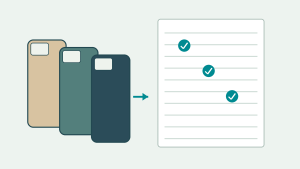
- Ask Kejie to mark each line accepted, revised or unavailable.
- Check whether printed packing and logo runs introduce separate minimums.
- If a line falls short, request a quoted alternative: more units, an available color, standard packing or a different product.
- Approve substitutions explicitly. Do not let a replacement silently change the model, color or function.
The Low MOQ sourcing guide explains minimum-order conditions. Here, the task is to organize mixed phone case orders into accepted, auditable lines.
4. Keep the same identity from order row to carton
Stable line ID + approved SKU
Model + style + color + pack version
Carton ID + lines + quantities
- Model labels: show the full device variant. Keep case color separate from any phone color shown in photos.
- Barcodes: provide the buyer’s identifier data and required format. Approve the encoded value and printed label; do not invent a retail identifier or reuse one across different items.
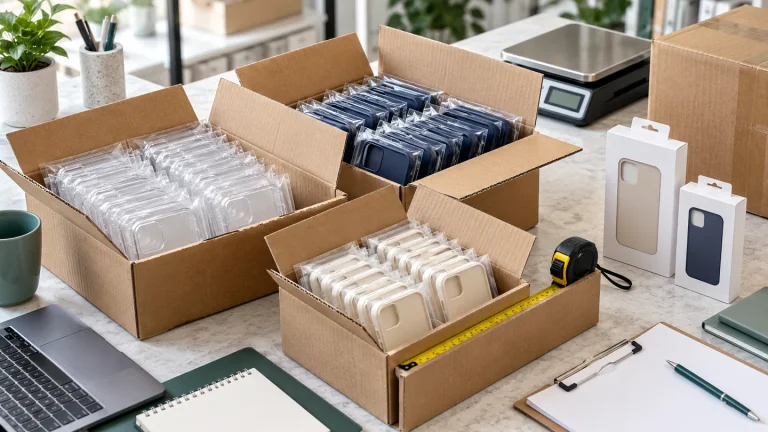
- Carton split: specify single-SKU cartons or approved mixed cartons. For mixed cartons, define inner bags/dividers and a contents list.
- Packing list: map each carton ID to order line IDs, SKU description and actual pieces. Confirm carton count, dimensions and weights against the actual shipment.
Fictional mapping example—requested quantities only, not a customer shipment:
| Order line | Requested item | Pack reference | Carton quantity split |
|---|---|---|---|
| L01 | iPhone 17 / clear TPU / clear / 30 pcs | P01; label data pending | C01: L01 × 30 |
| L02 | iPhone 17 Pro / clear TPU / clear / 20 pcs | P01; separate model label | C01: L02 × 20, separated inside |
In this example C01 contains 50 pieces, while L01 and L02 remain distinct. Actual MOQ, mold availability, carton capacity and packing must be confirmed. Use the packaging guide for artwork and pack specifications.
5. Choose real product references for your mix
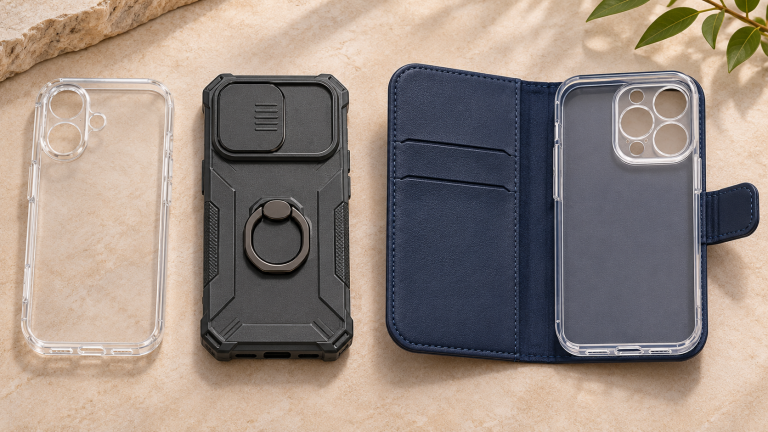
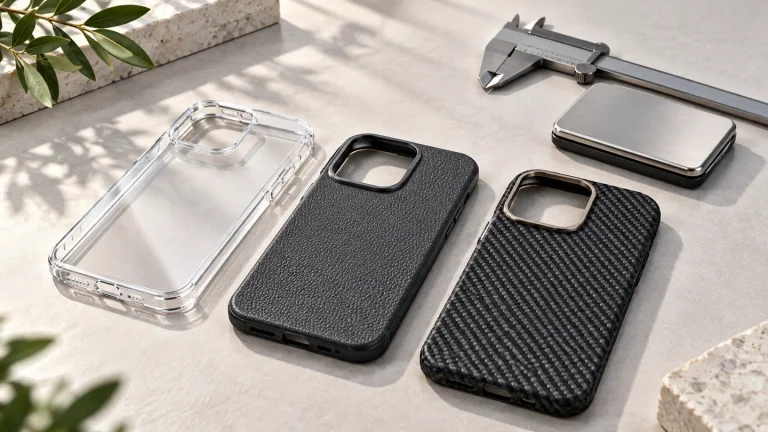
These published Kejie designs cover different structures and model families. Include the product link in your enquiry, then request an exact variant and quantity check.
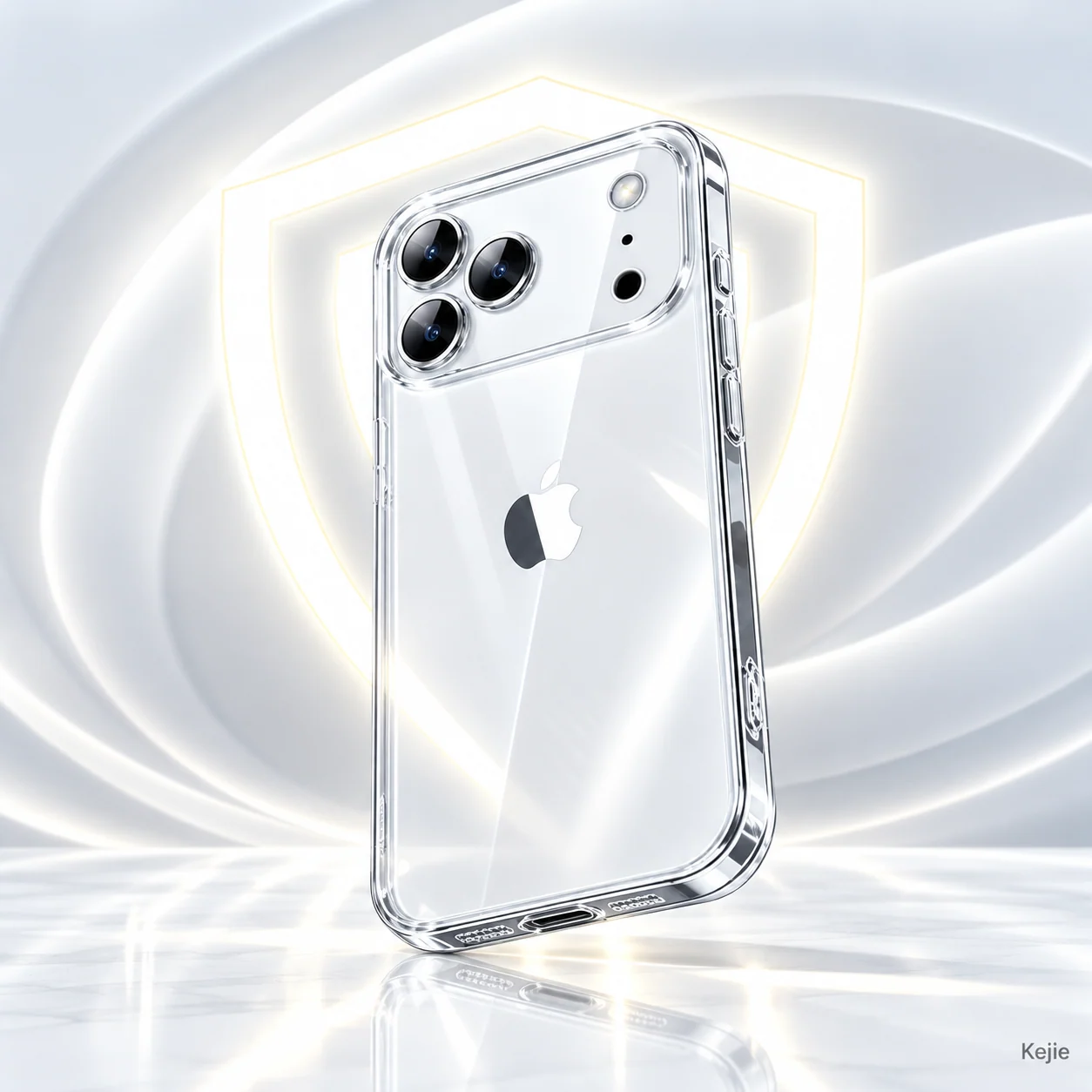
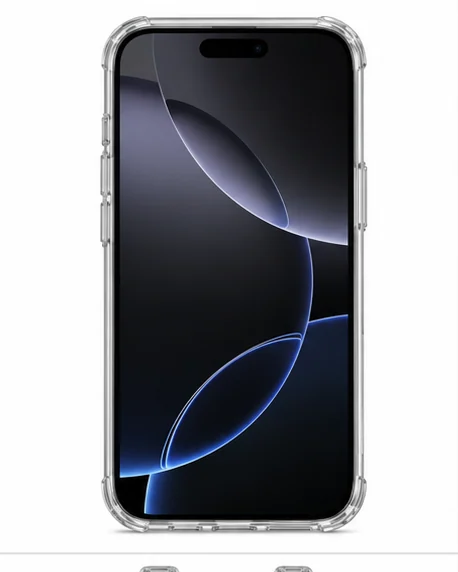
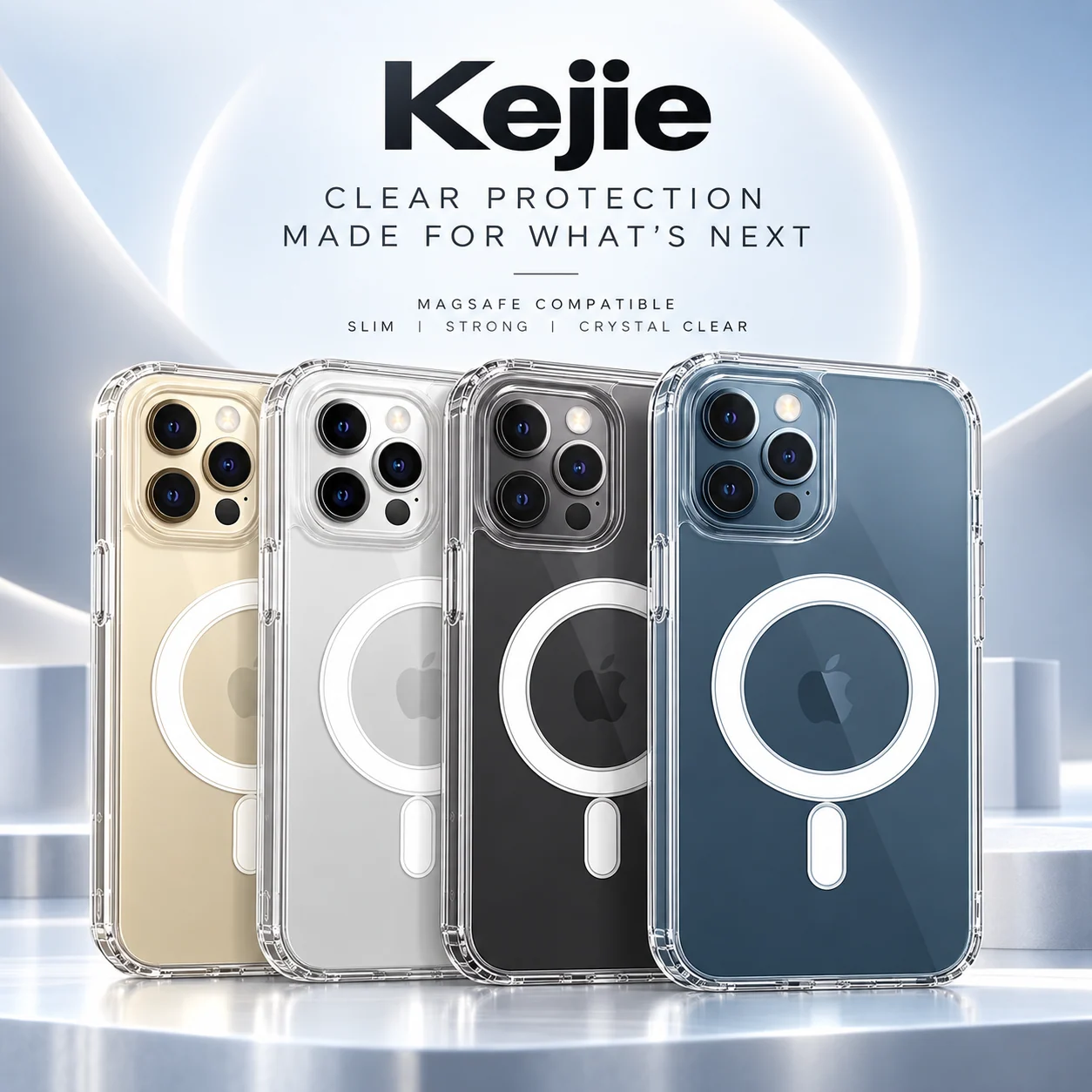
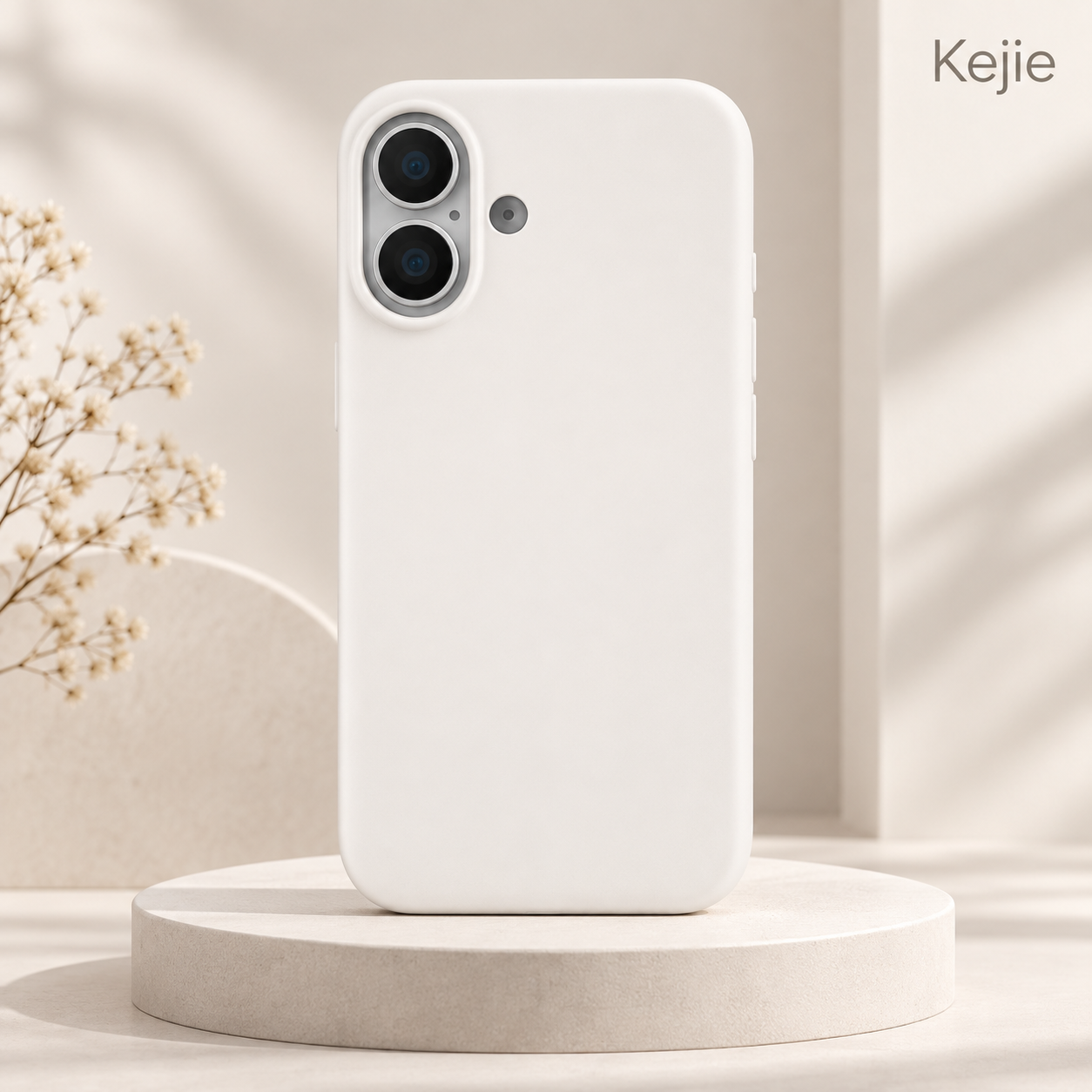
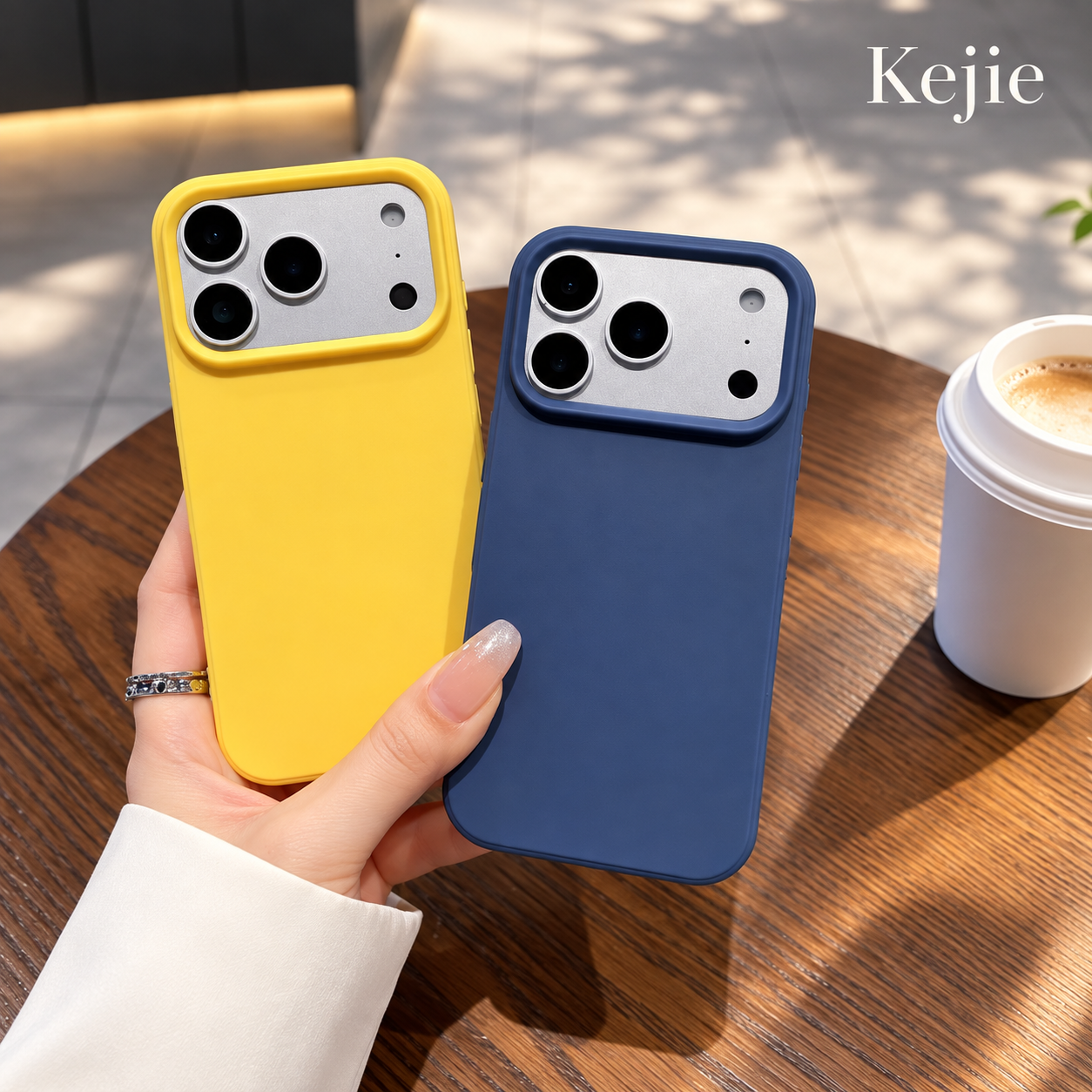
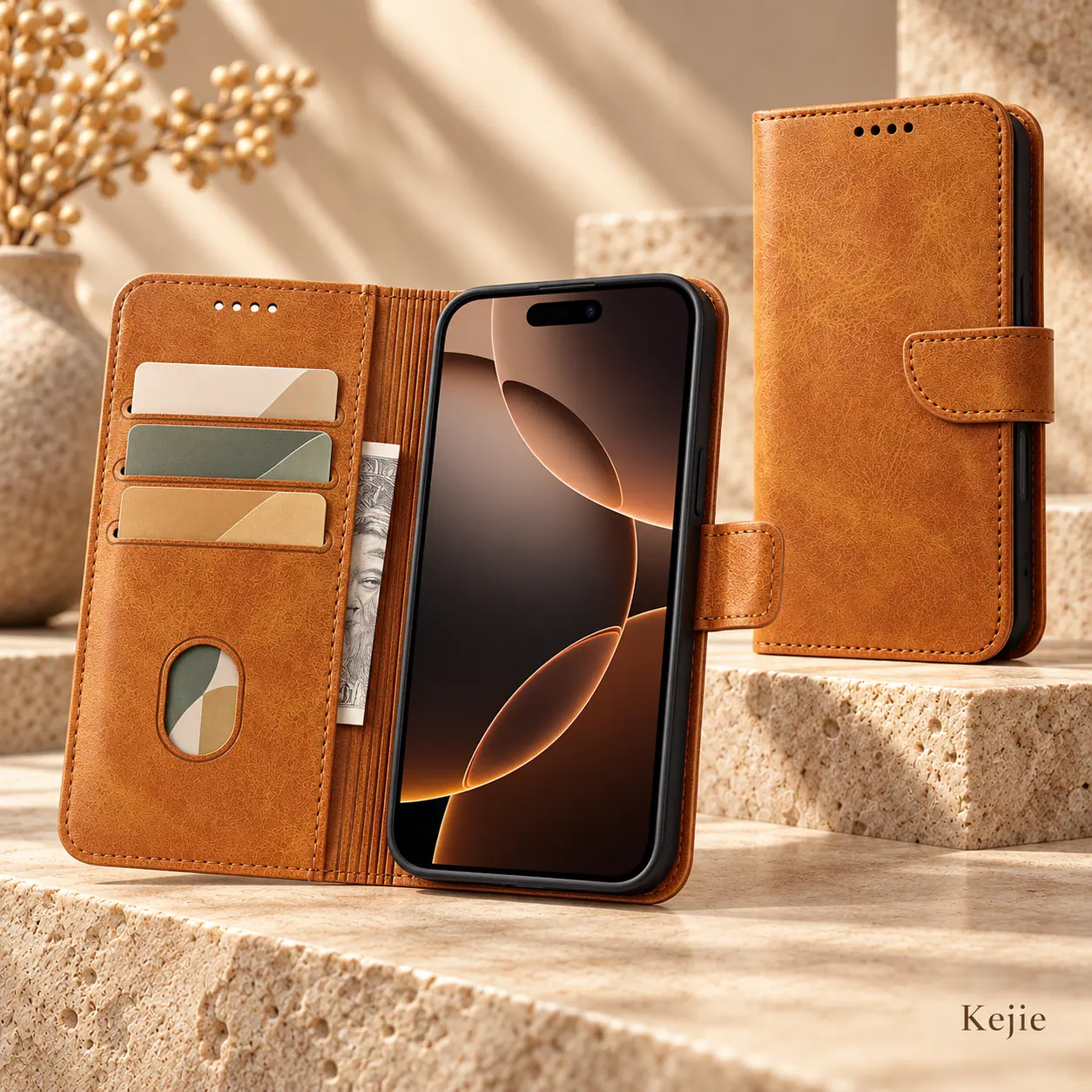
The matte TPU page lists standard mixed orders from 10 pieces and a 100-piece customization reference; the N52 transparent version lists 10 pieces per model/color. These are different conditions, not a sitewide mixing policy. Use the current written quote to confirm the accepted product mix and custom options.
6. Reconcile the quote, sample and packing list
- Quotation: accepted quantities and unit prices by line; applicable minimums and all exclusions.
- Customization: logo/design and packaging file versions; show one-time fees separately from the price per case.
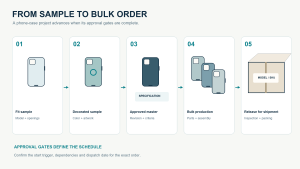
- Sample: exact model, fit, finish, required function and approved label/pack. Agree how unsampled variants will be checked.
- Availability: ask whether lines ship together or in approved parts; identify unavailable lines before payment or release.
- Shipment: line totals equal the accepted order; carton quantity splits equal the packing list. Record shortages, extras or substitutions before dispatch.
- Receipt: compare carton IDs, counts and item labels; keep photos and line-specific discrepancy records.
Before ordering, agree how to report and fix missing or wrong items. Record each change with the order-line number, old and new quantities, reason, approval and date.
Ready to Ask Kejie About Your Mixed Order?
Provide your model, style, color, quantity and packing requirements, plus destination, sample needs and desired date. Ask for a line-by-line response covering accepted variants, MOQ basis, packing, charges and shipment arrangement.
Request a line-by-line mixed-order quote →
Mixing permission, per-item minimums and customization limits are subject to the actual quotation and your approval.
Useful checks before you place the order
Separate logo requirements
Define artwork, placement and approval for each branded version.
Confirm the delivery schedule
Ask what starts timing and how mixed availability is handled.
Specify packing & labels
Develop the pack, model label, barcode and insert requirements.
Compare like-for-like costs
Separate product, customization, packing and project charges.

 English
 Español de Argentina
 Русский
 Italiano
 日本語
 한국어
 العربية
 Français
 Deutsch