
Phone case trends in 2026 are best understood through three buying decisions: accessory compatibility, material experience and useful design. Magnetic charging developments give buyers a concrete technology signal. Clear hybrids, slim woven constructions, wallet/stand functions and coordinated prints offer different ways to build a range around that signal.
The opportunity is to connect a visible feature with a clear customer use case. For brands and wholesalers, Kejie can help turn those directions into a focused product shortlist, sample comparison and OEM or private-label brief. The watchlist below combines documented 2026 developments with practical material and design options to evaluate in your own channel.
Plan your 2026 phone case range with Kejie
Share your phone models, customer segment and preferred product roles. Compare Kejie’s magnetic, clear, aramid, wallet and custom-print directions before expanding the assortment.
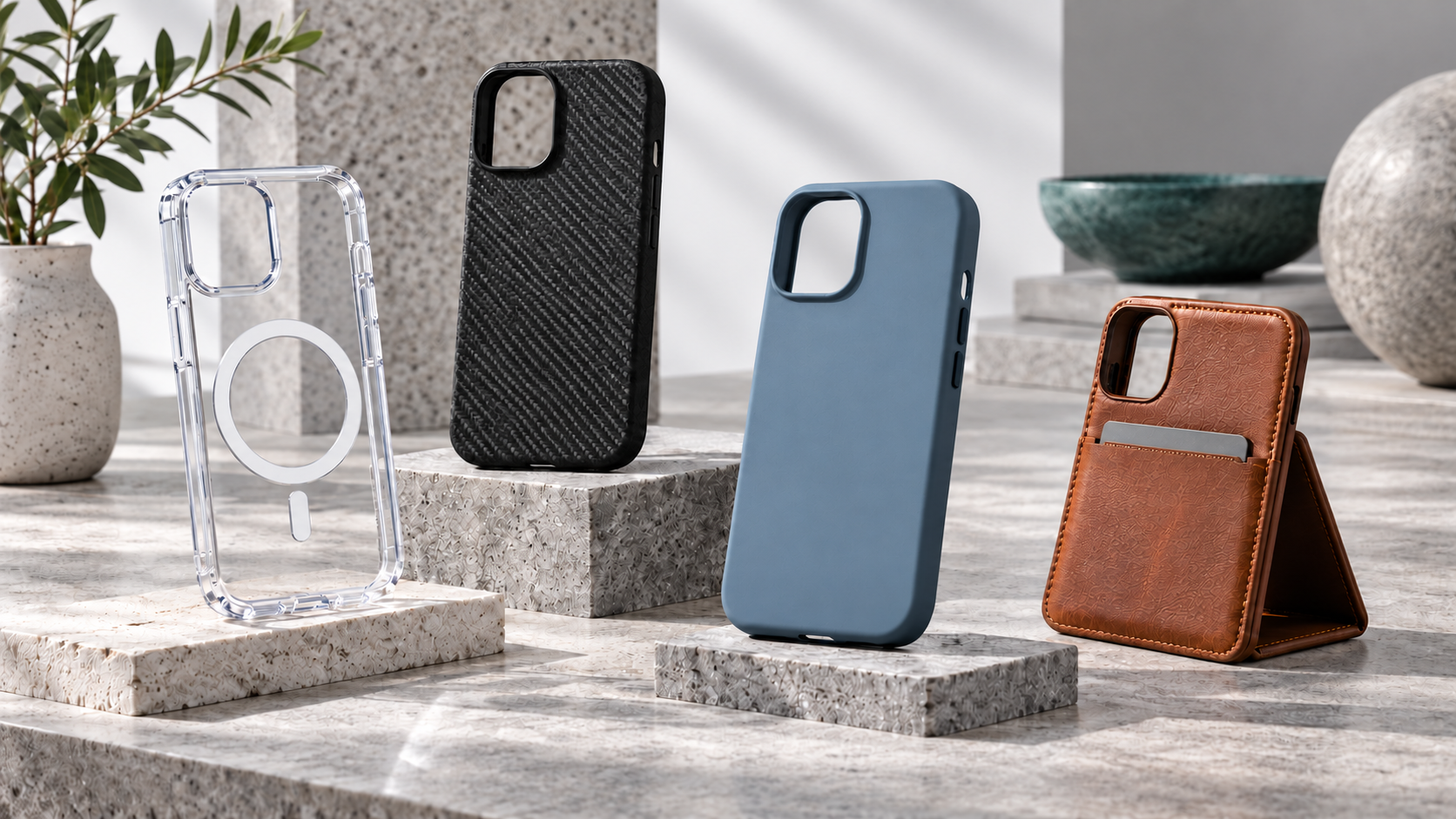
The 2026 signals: what has actually changed?
Read these as technology/design signals, not sales forecasts. Each suggests a different case-selection check.
WPC reported member devices demonstrating Qi2 25W. CES report.
- Buyer action
- Name the phone, charger and intended accessory when reviewing a magnetic case.
The June 22–25 meeting reviewed proposals and prototypes. This is development activity, not an ordinary case’s confirmed capability. WPC meeting report.
- Buyer action
- Monitor system development; do not attach a 50W promise to an unverified case.
Apple’s September 9 announcement covered silicone/TechWoven cases, wallets, crossbody straps and an updated clear case supporting carry straps. Apple announcement.
- Buyer action
- Check the selected case’s attachment geometry and the assembled carry accessory.
Samsung’s S26 Carbon Magnet Case combines aramid and built-in magnets. It is a design example—not Kejie certification or category-wide demand evidence.
Four Kejie options for your 2026 product shortlist
Use these published products to turn the watchlist into a concrete conversation. Each has a different role: clear magnetic, soft-touch silicone, wallet utility or custom artwork. They are product references, not a claim that every example is a newly launched 2026 model or fits every device.
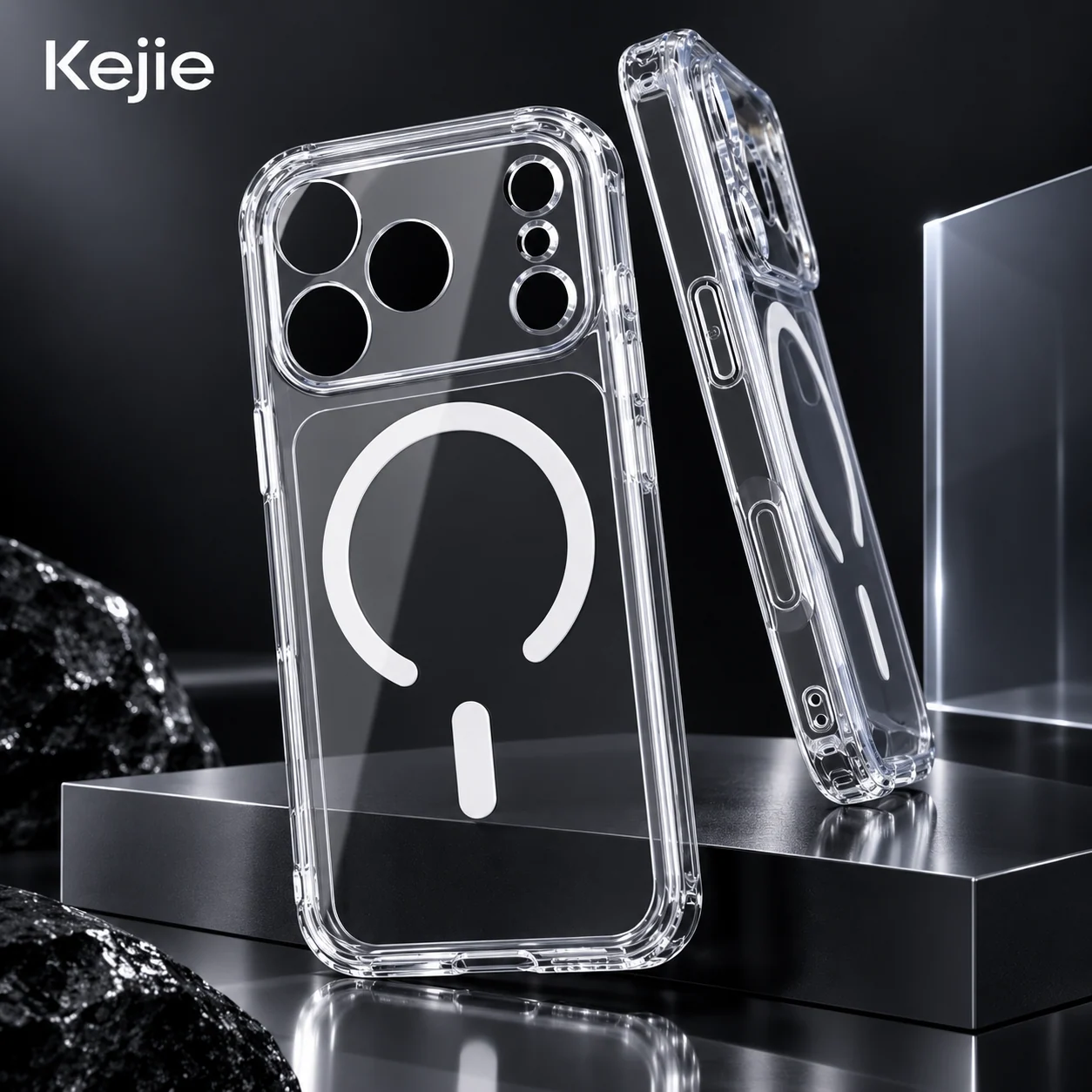
Clear magnetic TPU + PC case
- Product: Clear magnetic TPU + PC · iPhone 18 Pro/Pro Max.
- Use: Transparent magnetic range with a structured back.
- Confirm: Exact version, bumper/clarity, accessory fit and evidence for ageing claims.
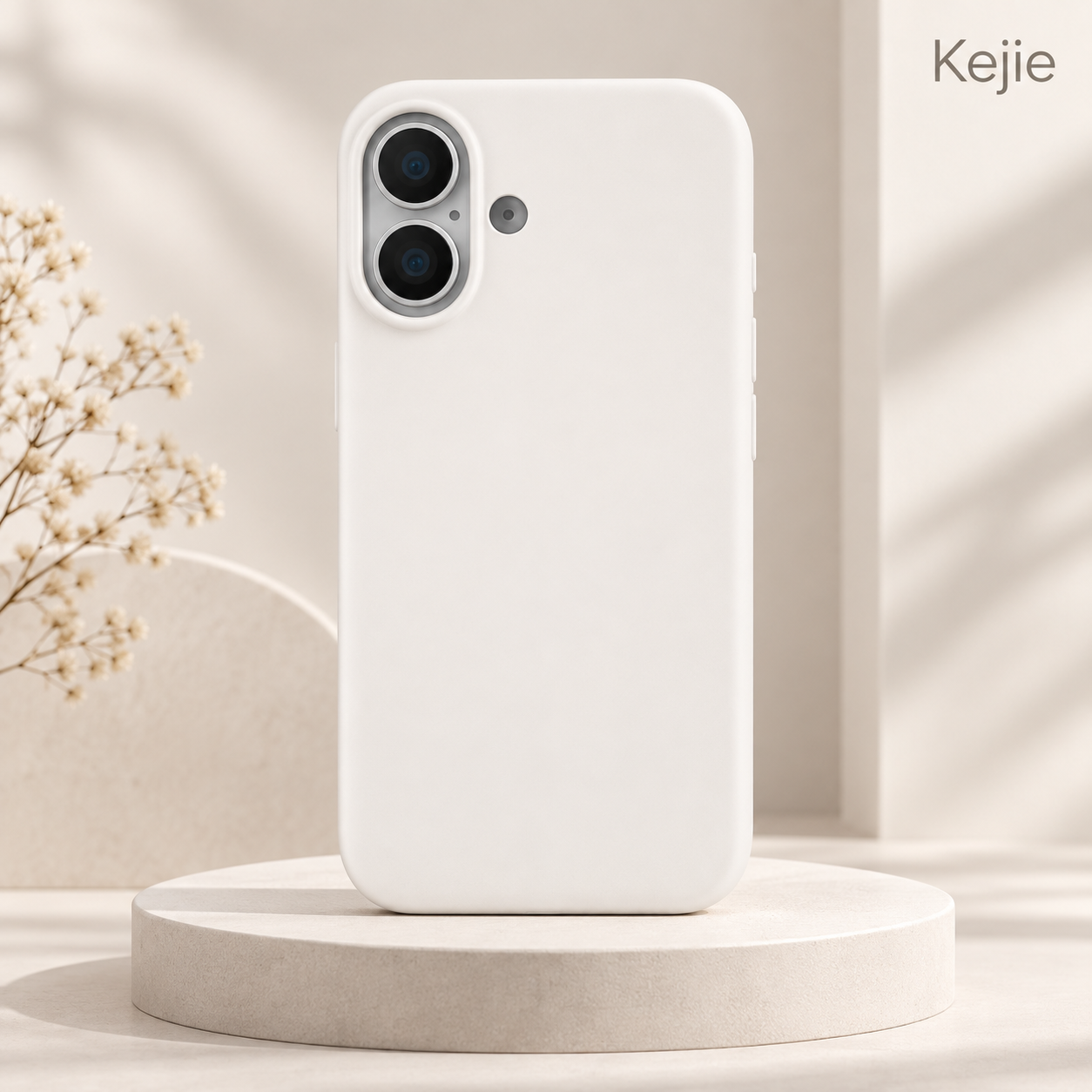
Soft-touch liquid silicone case
- Product: Liquid silicone · iPhone 17 Series.
- Use: Soft-touch, logo-led collection.
- Confirm: Exact model/color, logo method, finish and packaging; new shell geometry is separate.
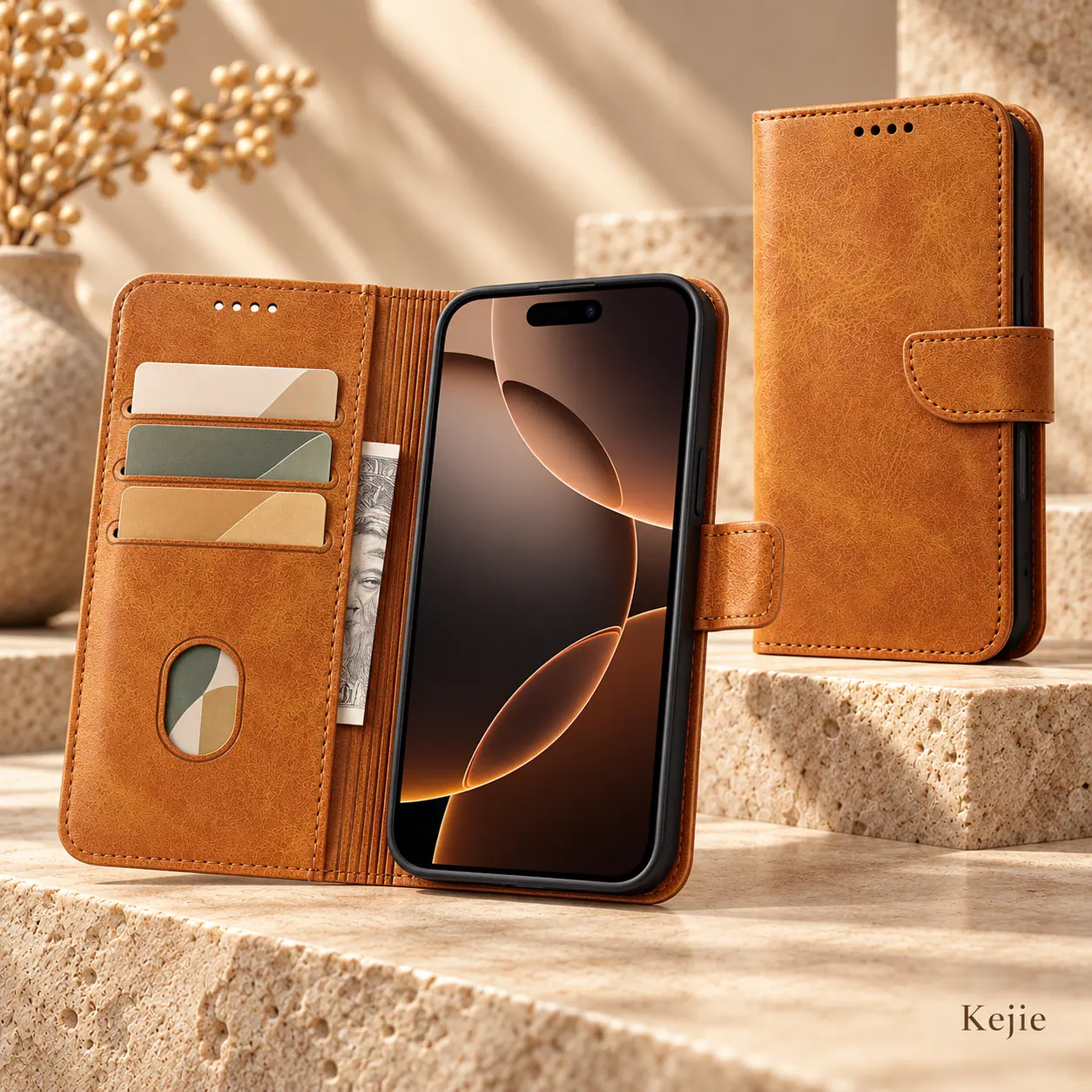
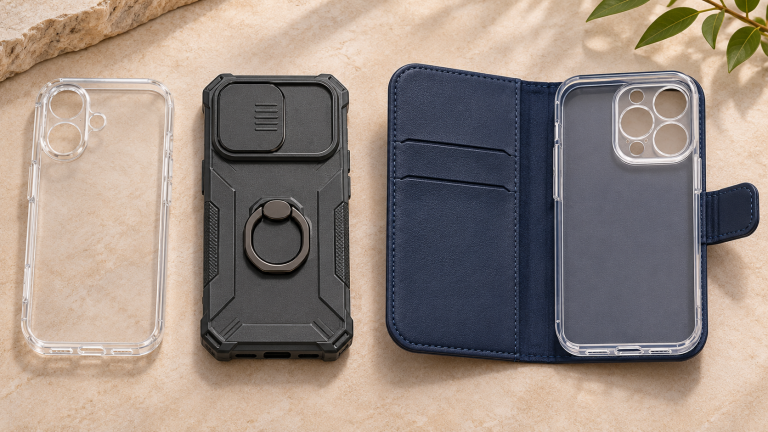
PU leather wallet and stand case
- Product: PU leather + TPU · selected iPhone/Galaxy versions.
- Use: Card storage, closure and wallet-style support.
- Confirm: Pocket layout, packed profile and support. Closure magnets are not charging certification.
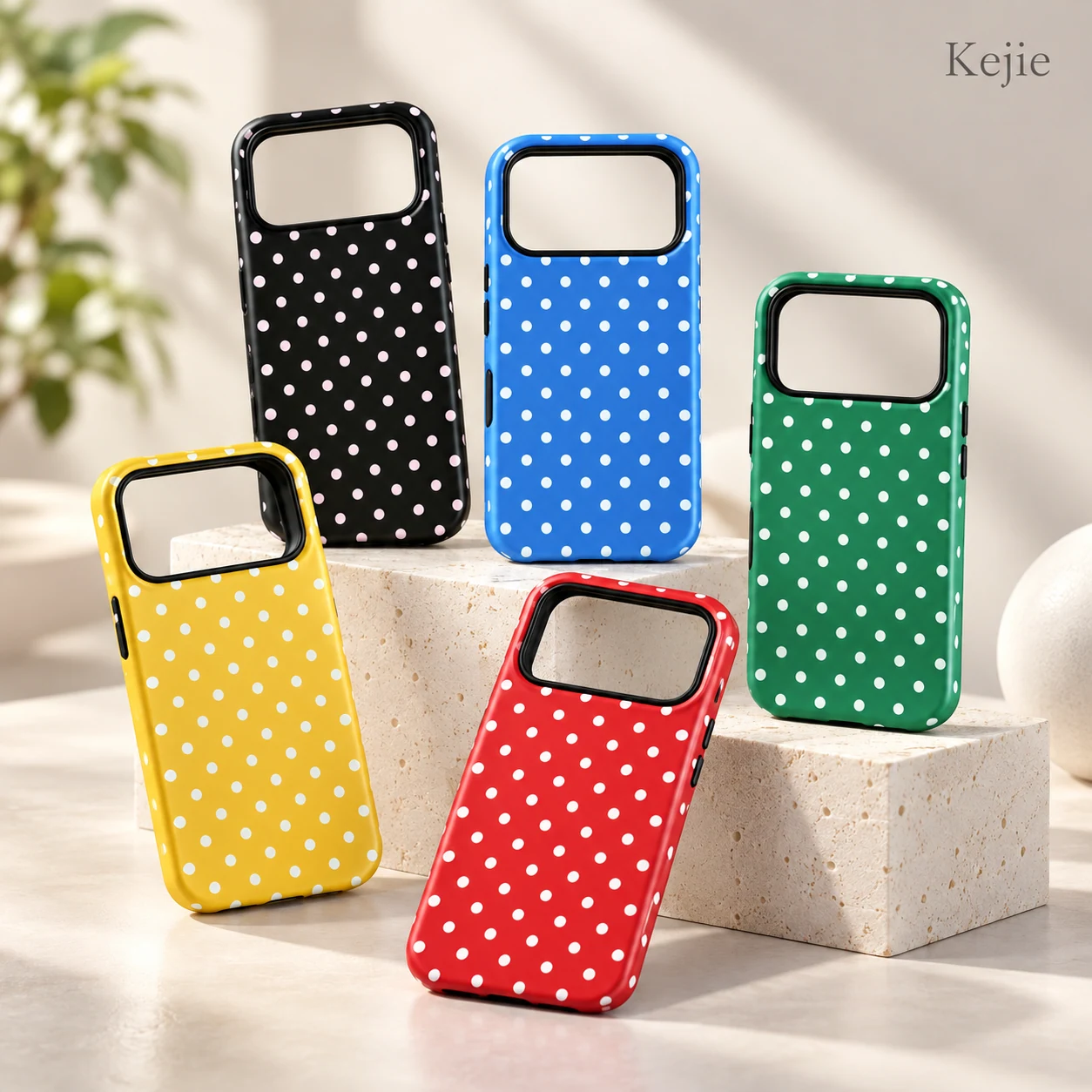
Custom printed magnetic hybrid case
- Product: Printed magnetic TPU + PC · iPhone 17 Series.
- Use: Artwork-led private-label range.
- Confirm: Artwork around openings/edges, finish, model and packaging; structure changes need review.
Kejie’s OEM/ODM service can help align the selected platform, model list, finish, branding and packaging. Send the product reference with your brief so the team can discuss the appropriate development route and sample requirements.
Magnetic cases: buy the accessory experience, not only the ring
Select magnetic functionality by the job it must do. Keep the actual device and accessory in the approval record.
Charging or mounting
- Check
- Alignment, attachment stability, camera clearance and removal with the named charger/mount.
- Limit
- A visible ring does not itself prove Qi2 certification or charging speed.
Wallet, grip or combined features
- Check
- Attachment, handling and clearance with the actual case; look for stand/card-pocket conflicts.
- Limit
- A feature working alone does not establish the complete combination.
Compare the Kejie magnetic collection; use the Galaxy S26 sourcing guide for a Samsung-focused device list.
Materials: clear hybrids, woven finishes and tactile surfaces
Give each material direction a distinct product role. These are established options to evaluate in a 2026 range, not claims of newly invented materials.
| Direction to watch | Useful product role | What the sample must resolve |
|---|---|---|
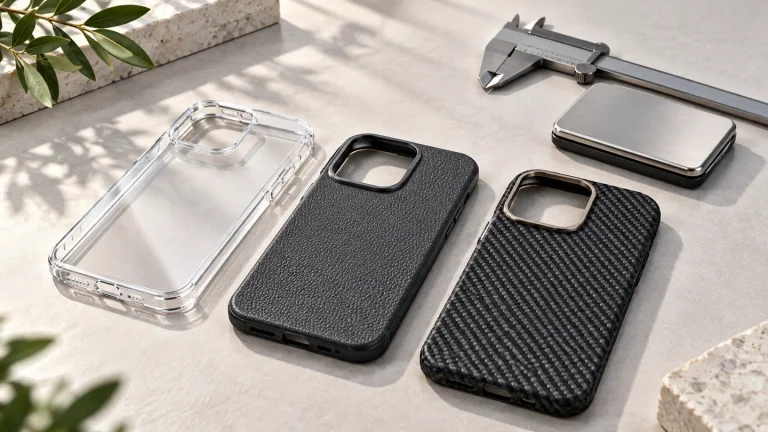
| Clear TPU + PC hybrid | Transparent everyday case with a structured back | Clarity, bumper color, seams, fit and evidence for ageing claims |
| Aramid-fiber construction | Slim material-led premium option | Material identity, lay-up, edge finish and exact-model fit |
| Matte or soft-touch finish | Grip-focused solid-color alternative | Surface feel, marks, color master and finish durability |
| PU leather + TPU structure | Business or wallet-style functional range | Stitching, pocket layout, closure and support stability |
For clear parts, identify the component covered by any ageing claim. For woven structures, consult the aramid materials guide. Compare the TPU + PC range on the same target device and criteria.
Features: make protection useful throughout the day
A feature earns its place when it solves a customer task. More mechanisms can add profile, moving interfaces and accessory conflicts.
Desk viewing
- Task
- Calls or video on a support surface.
- Check
- Usable angle, stability and interference with holding or charging.
Cards and wallet
- Task
- Carry/access cards in a business or travel format.
- Check
- Pocket access, closure, packed profile and folding support. Closure magnets are not charging certification.
Foldable protection
- Task
- Protect a moving device in its intended states.
- Check
- Exact model, moving clearance and retention; slab-phone references do not establish fit.
Hands-free carrying
- Task
- Use a strap with the chosen case.
- Check
- Actual attachment points and complete assembly. Clear backs or magnetic rings do not imply strap support.
Designs: coordinate colors, texture and artwork around one range
- Transparent + accent
- Keep the device finish visible; compare camera surround/edge accents with the selected phone.
- Neutral + texture
- Coordinate matte, woven or leather-style surfaces for a material-led range.
- Brand-led print
- Approve pattern, logo and packaging together; check camera openings, edge wrap and registration on each device version.
Pick the direction that fits your channel. These are visual options to test, not a claim that one color or pattern is the year’s best seller.
Turn a trend watchlist into a range you can evaluate
Choose distinct roles before multiplying models, colors and artwork. Use your own buyer response to decide what to expand.
| Buying decision | Practical action | Review before expanding |
|---|---|---|
| Everyday magnetic option | Choose a clear or solid platform for the main device list | Accessory fit, handling and the customer’s stated use case |
| Material-led alternative | Compare a woven or tactile construction with a different product role | Sample finish, fit and buyer response to the material story |
| Functional option | Test a stand or wallet structure with the intended user task | Mechanism usability, profile and accessory conflicts |
| Branded design | Approve a focused artwork/color set and matching retail pack | Print consistency, clear model labels and reorder requirements |
Keep a range-review record
- Identify
- Device, construction, artwork and sample revision.
- Observe
- Inquiries, sample/order rejection reasons and customer feedback.
- Decide
- Correct, test further or expand the approved configuration. Avoid fixed stock splits without your own data.
Build your next phone case range with Kejie
- Models + quantity
- Exact phone versions and units per model/color.
- Product + brand
- Shortlisted Kejie links, selected roles, finish/artwork and packaging.
- Approval + accessories
- Named accessories, functional/sample checks and target timing.
Choose the trends that fit your customers
Bring your clear, magnetic, aramid, wallet or printed-case shortlist to Kejie. Review suitable platforms and customization requirements before adding more variations.
 English
 Español de Argentina
 Русский
 Italiano
 日本語
 한국어
 العربية
 Français
 Deutsch