
Aramid fiber phone cases appeal to buyers who want a slim premium product with a technical material story. The sourcing decision is broader than the word “aramid”: weave quality, resin system, edge construction, magnetic compatibility, finish consistency and inspection evidence all shape the product that reaches a retailer.
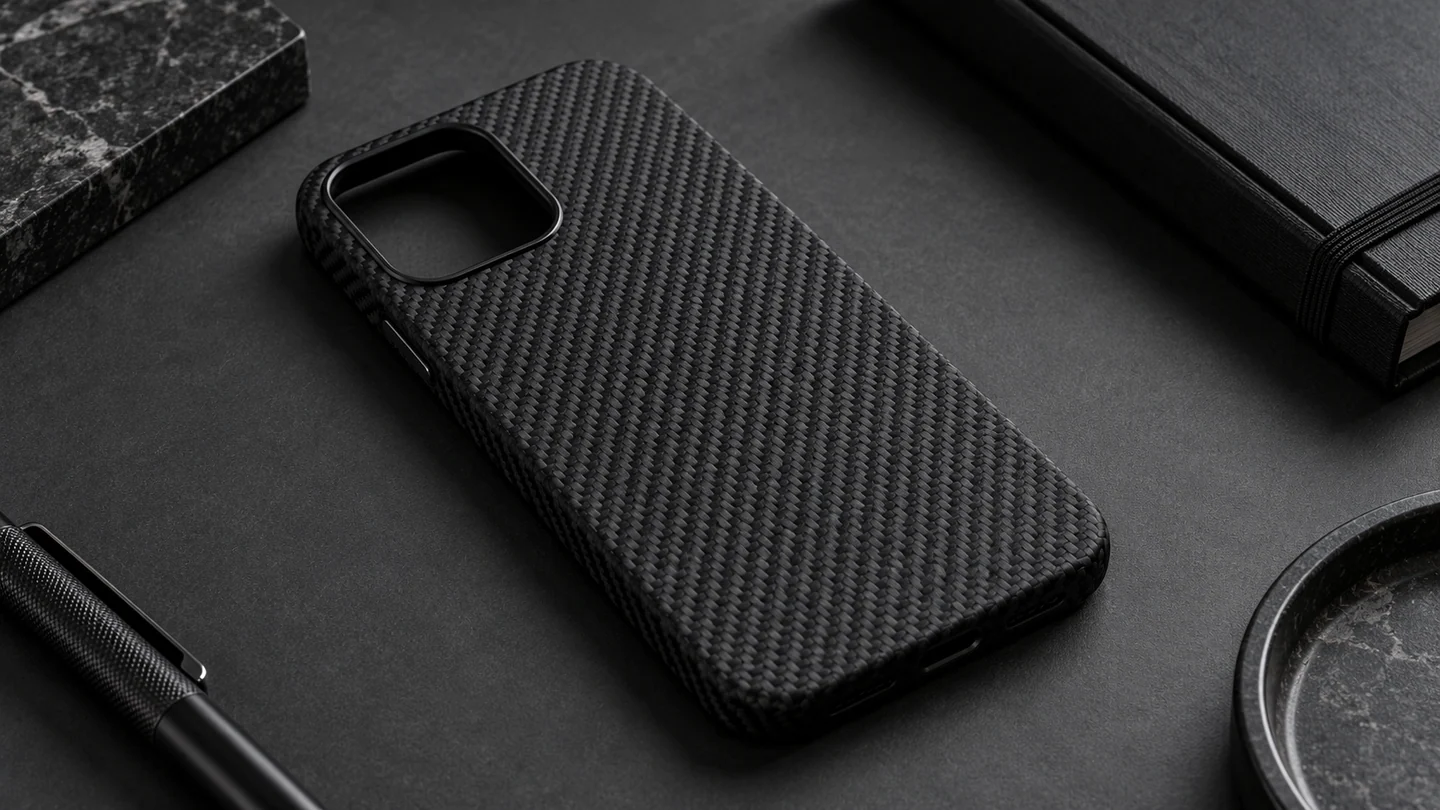
What is aramid fiber in a phone case?
Aramid is a high-strength aromatic polyamide fiber used in engineered composites and protective products. In a phone case, the fiber may appear as a woven outer layer bonded to a rigid substrate, a laminated panel, or a decorative technical surface over another structure. The visible weave alone does not prove the complete case construction or impact performance.
Buyers should ask for the fiber type or grade, weave pattern, layer structure, resin or adhesive system, panel thickness and the role of any TPU, PC or other support material. That information lets a buyer compare genuinely different products instead of treating every black woven case as equivalent.
What are the main benefits and trade-offs?
| Buyer benefit | Why it matters | What to verify |
|---|---|---|
| Slim premium profile | Supports minimalist and executive positioning | Finished thickness, edge feel and phone fit |
| Distinct woven appearance | Creates a technical material story | Weave alignment, color, gloss and batch consistency |
| High stiffness-to-weight potential | Can support a light protective shell | Panel structure, corners and impact test scope |
| Premium price tier | Allows value-based assortment planning | Actual material content, finish and service evidence |
Aramid fiber is not a substitute for every protective feature. A thin rigid panel may need carefully designed edges, camera protection and a reliable retention interface. A buyer should decide whether the product is positioned for scratch resistance, everyday carry, professional appearance, low bulk or a balanced combination.
How should construction and finish be reviewed?
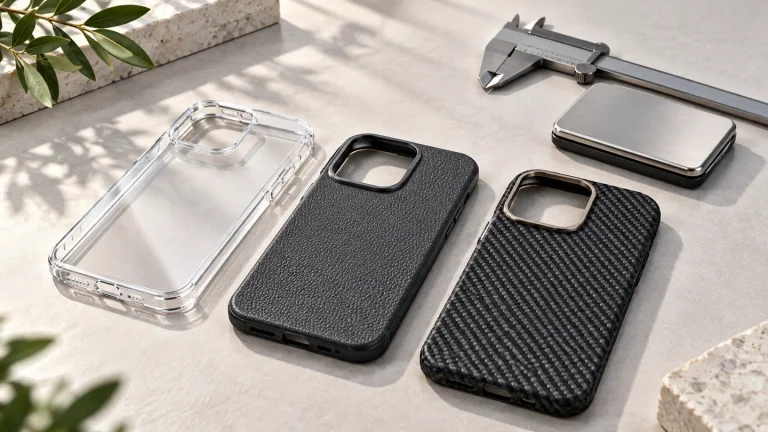
Inspect the outer weave under consistent light. Look for regular pattern alignment, clean trimming, stable color, even resin saturation and a smooth transition around the camera opening. Check whether the edges are exposed fiber, a wrapped layer, a TPU bumper or another material. Each route changes feel, durability, repairability and cost.
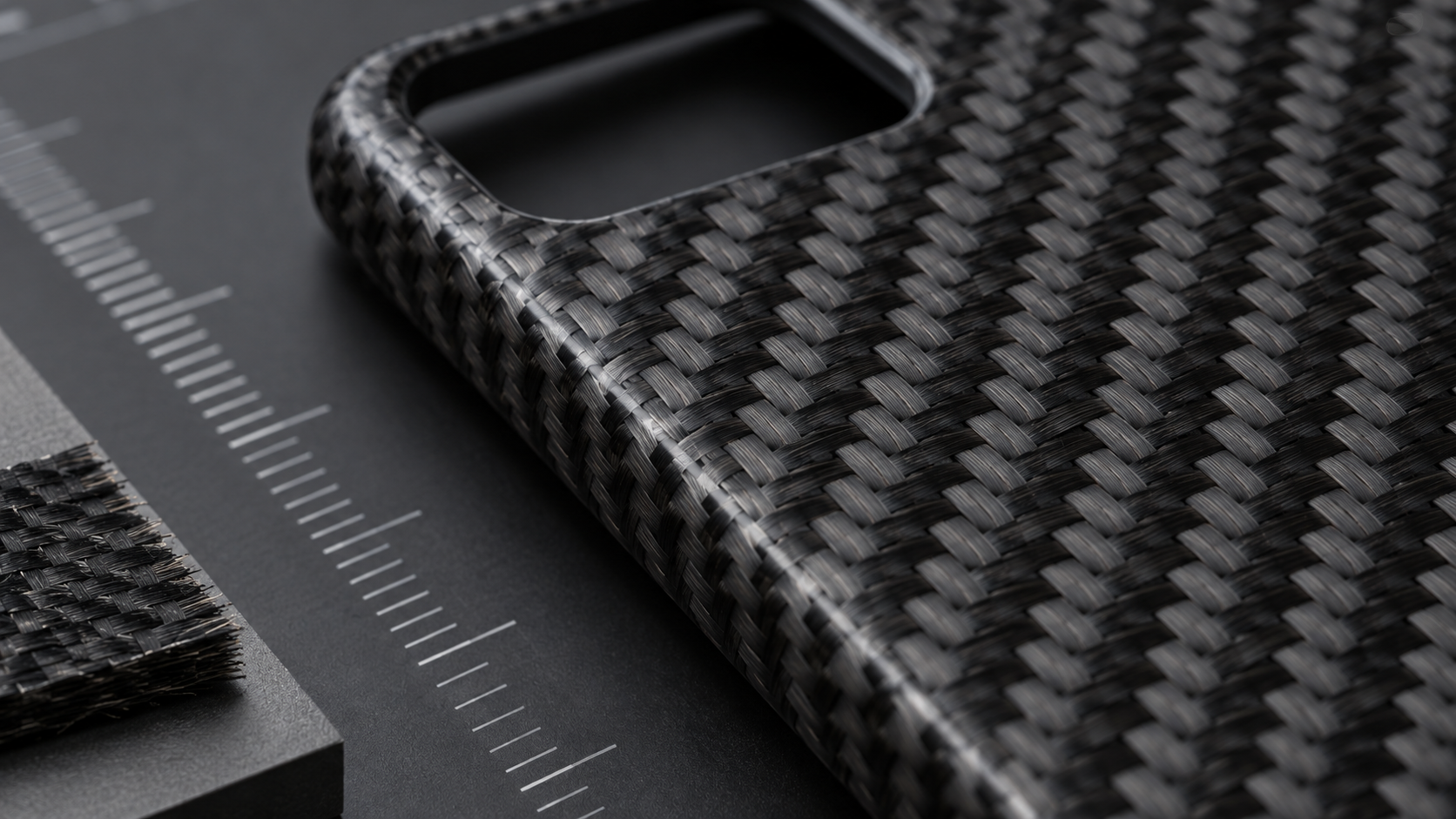
- Panel: confirm thickness, flatness, cut accuracy and bonding to the support layer.
- Edge: check comfort, seam visibility, corner coverage and resistance to lifting.
- Camera area: review clearance, alignment and raised protection.
- Finish: compare gloss, texture, fingerprints and scratch appearance.
- Accessories: test wireless charging, magnetic rings, mounts and wallets when included.
Which quality checks matter before approval?
A sample review should connect appearance and function. Confirm the exact phone model, button response, port openings, camera clearance and installation fit. Then inspect the fiber surface for broken strands, weave drift, bubbles, resin marks, edge fraying and color variation.
- Record the approved weave, color and finish under a controlled light reference.
- Measure key dimensions and compare panel thickness across samples.
- Check corner retention, edge adhesion and repeated installation cycles.
- Test charging and magnetic accessories specified in the quotation.
- Keep a retained sample with revision date, packaging and inspection notes.
How can wholesalers build an aramid assortment?
Use aramid as a premium material tier within a broader case range. A balanced assortment can include a pure slim panel for minimalist buyers, a reinforced edge version for everyday protection, and a magnetic option for accessory ecosystems. Keep model coverage focused enough that inventory does not fragment across too many low-volume SKUs.
Compare each SKU by material story, protection level, accessory compatibility, finish, target customer and expected margin. This makes it easier for sales teams to explain why two visually similar black cases have different prices and use cases.
Related product references
These published Kejie pages help buyers compare aramid positioning with adjacent materials and functions.
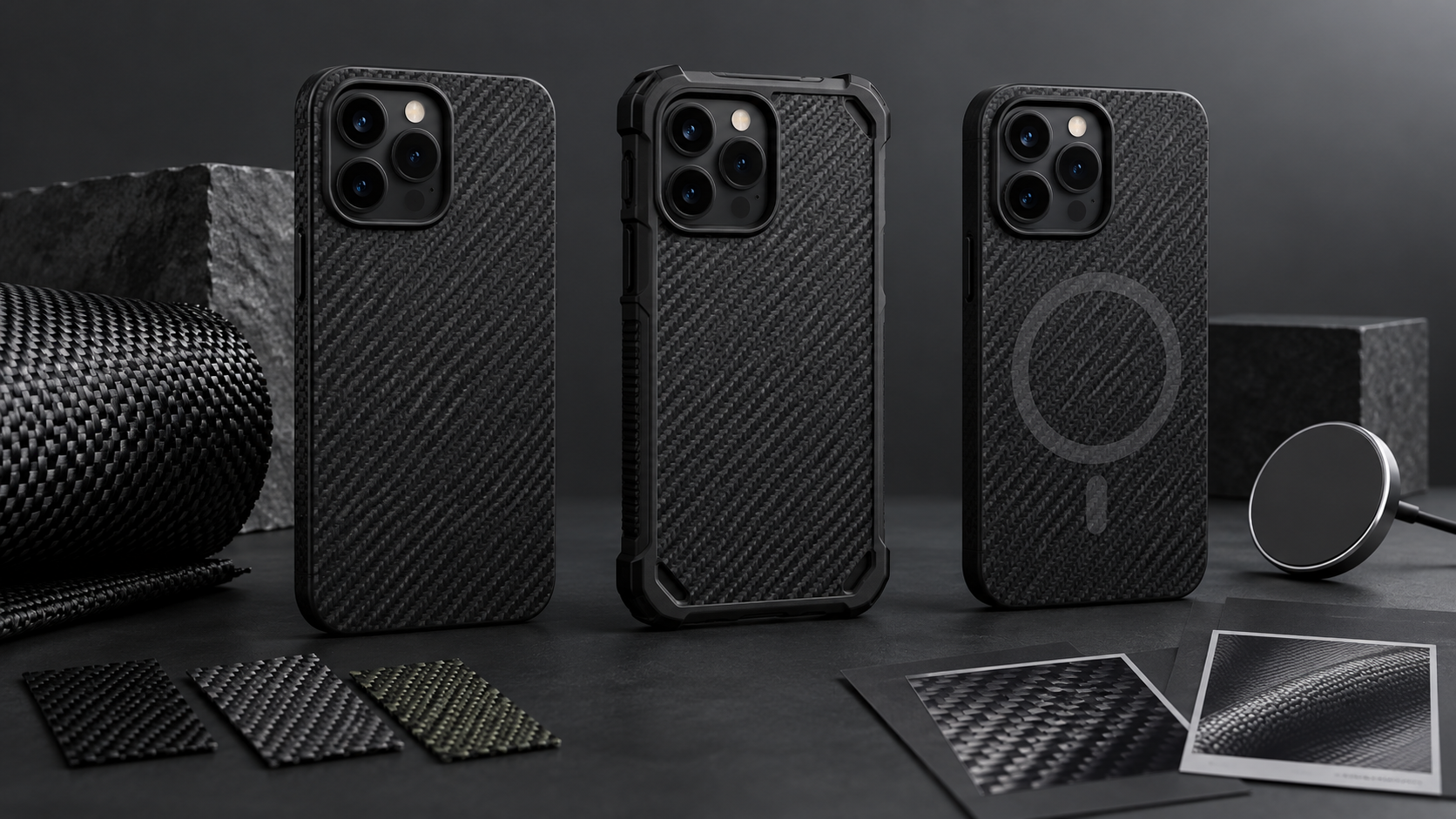 Aramid fiber phone case reference
Aramid Fiber Case Range
Direct reference for a slim technical-material product tier and weave-led presentation.
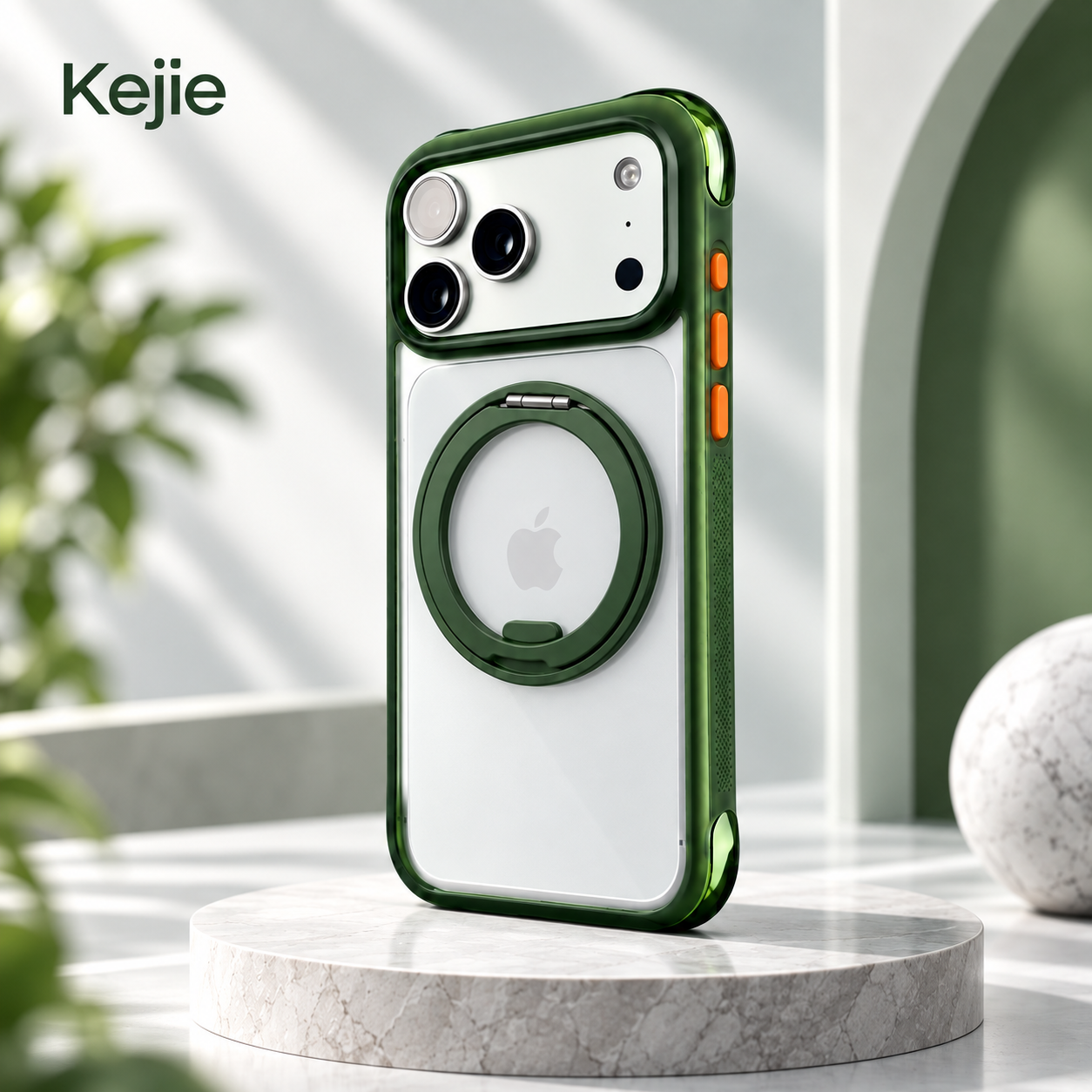 Magnetic phone case comparison reference
Magnetic Function Reference
Useful for comparing accessory compatibility and magnetic positioning in a premium range.
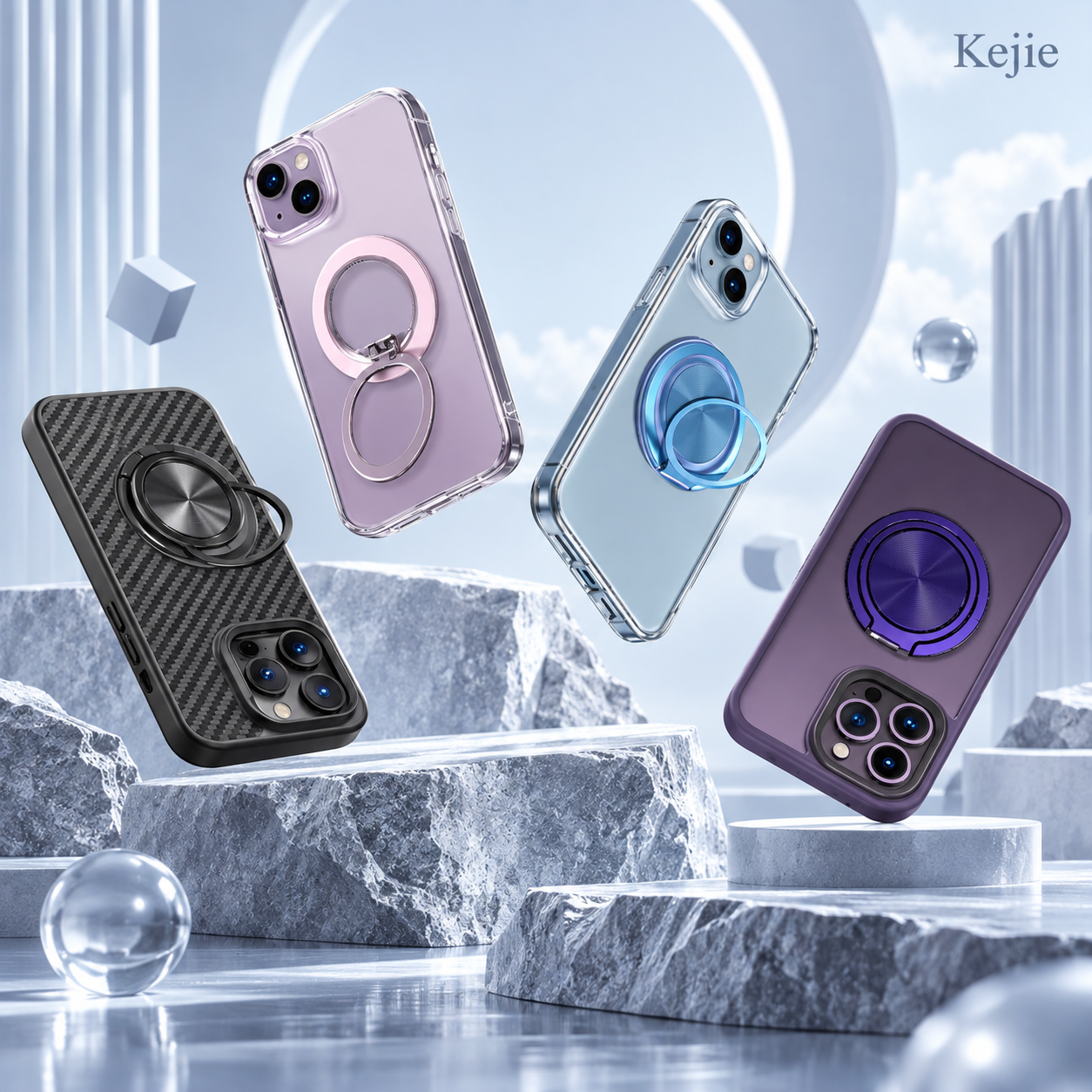 Slim protective phone case reference
Lightweight Protection Reference
Adjacent reference for slim handling, raised protection and everyday usability.
What should an aramid fiber RFQ include?
Specify the exact phone model, fiber description or grade, weave pattern, finish, edge construction, camera protection, magnetic requirements, packaging, logo options, sample quantity, production MOQ and inspection standard. Ask which claims are supported by finished-product evidence and request photos of production-intent samples.
Build a premium aramid case shortlist
Send your target models, material expectations, protection level, accessory needs, quantity and packaging brief for a focused quotation.
 English
 Español de Argentina
 Русский
 Italiano
 日本語
 한국어
 العربية
 Français
 Deutsch