Looking for a custom phone case manufacturer in China? Start with a partner that can connect product selection, branding and sample approval. Kejie supports OEM, ODM and private-label phone case projects, helping brands, wholesalers and distributors discuss the case construction, artwork and packaging as one project brief.
This guide shows how to choose the right manufacturing route and turn your requirements into an approved sample and a clear quotation. Explore Kejie’s product options first, then use the selection checks below to define the details for your own branded range.
Bring your phone case project to Kejie
Have a reference design, logo or product idea? Send your target phone models, preferred material and estimated quantity. Discuss the customization scope and request a project-specific quotation.
Start with your models, reference design and quantity. Sample options, MOQ and timing are confirmed for the selected configuration.
Why choose Kejie for your custom phone case project?
Kejie’s OEM/ODM service connects product selection, branding, sample approval and production coordination.
- Choose a platform
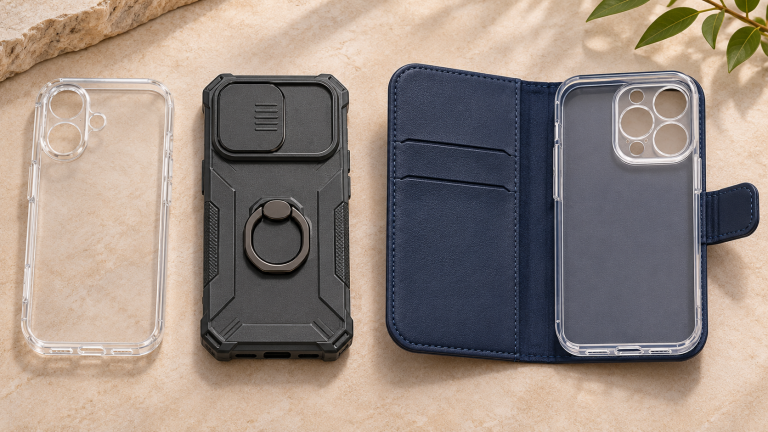
- Compare hybrid, soft-touch or wallet constructions against your device list and customer use case.
- Align the brand
- Review logo position, colors, artwork and retail pack in one brief.
- Approve the product
- Carry fit, finish and selected function checks into a recorded sample and revision.
Ask Kejie which route fits your project: an existing reference for private label, or drawings and defined changes for development.
Choose a Kejie product platform for your brand
Choose the closest starting point below. Review the product details or go directly to its inquiry form to discuss your artwork, finish and quantity with Kejie.
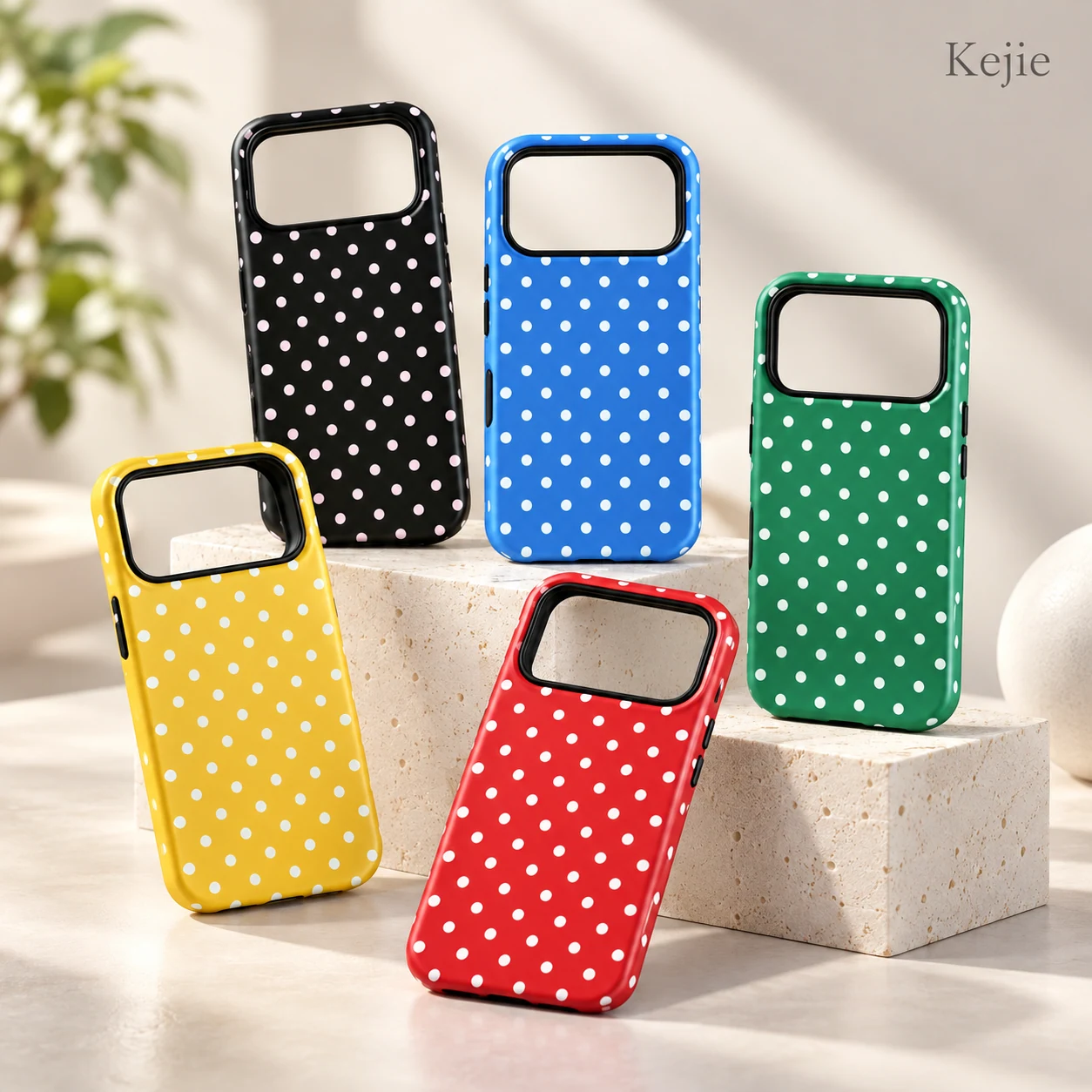
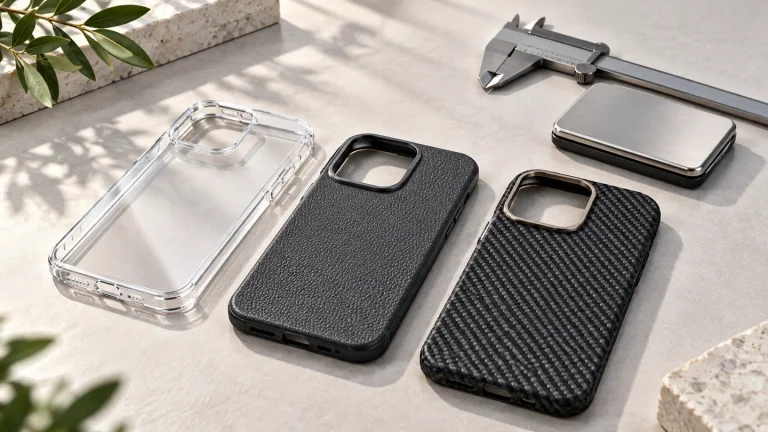
Custom Magnetic TPU + PC Case
For a pattern-led hybrid collection.
Sample focus: Approve artwork position, frame color and exact device fit.
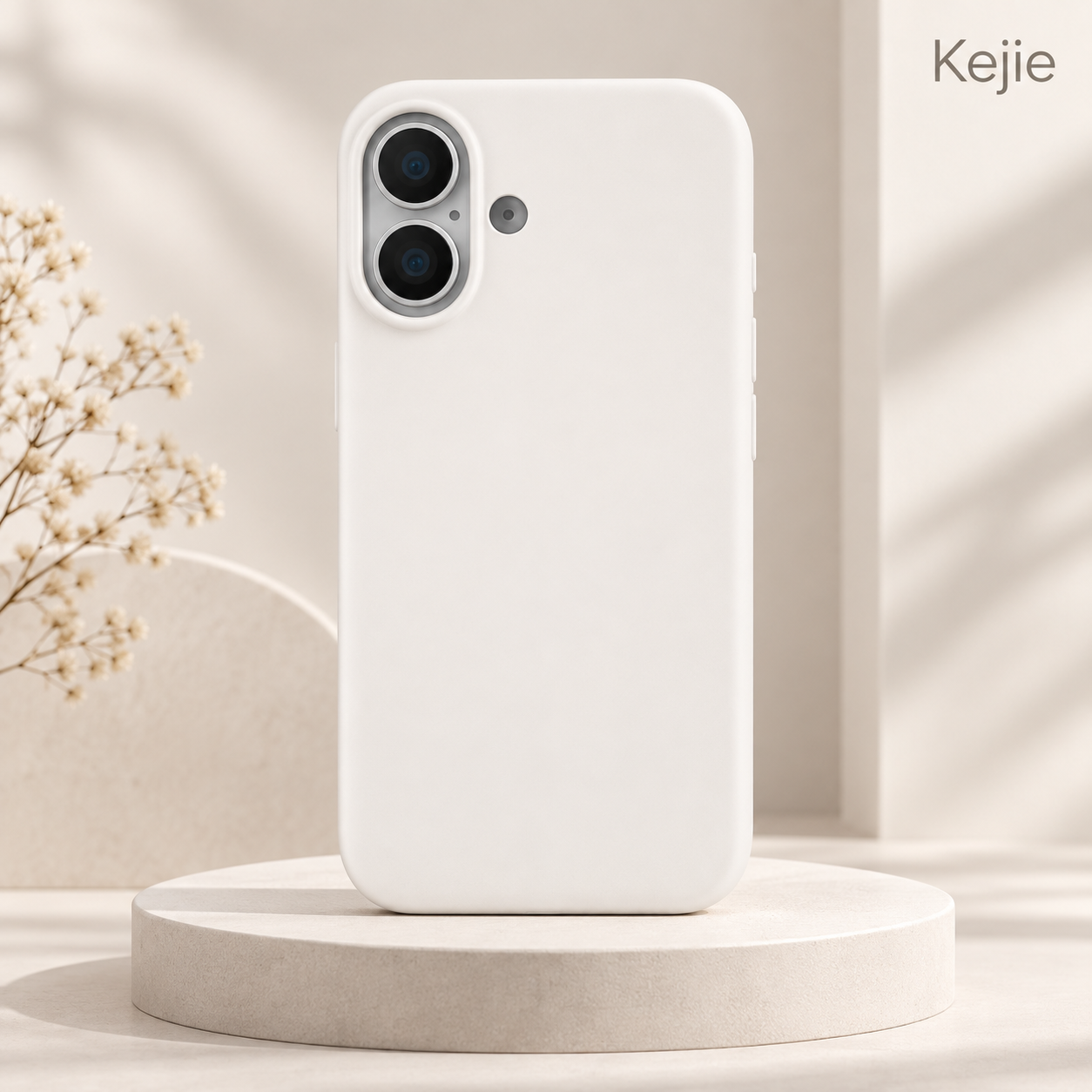
Custom Liquid Silicone Case
For a soft-touch, logo-led collection.
Sample focus: Review surface feel, lining, color and logo finish.
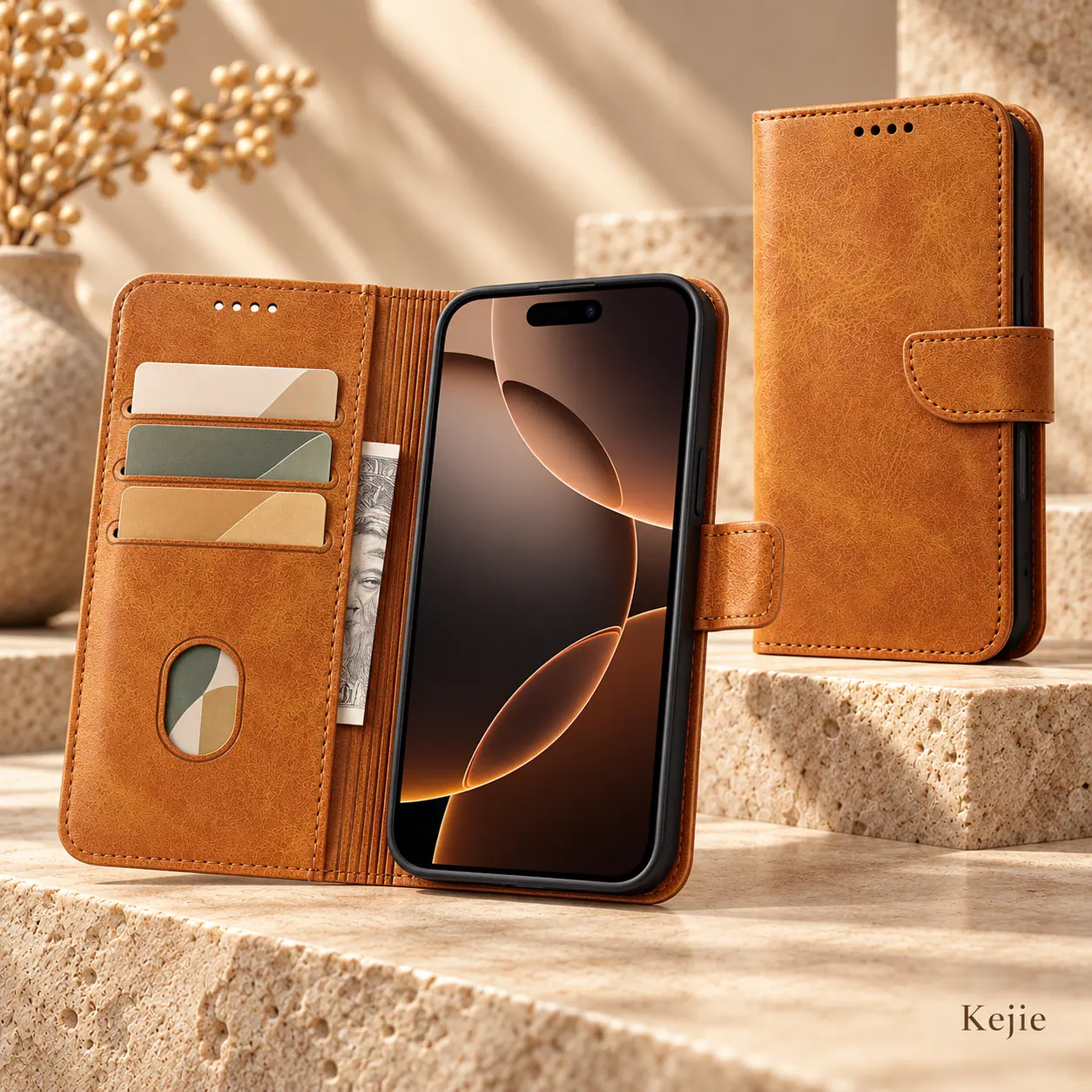
Magnetic PU Leather Wallet Case
For a wallet and card-storage collection.
Sample focus: Check closure, card retention, stitching and model compatibility.
For more hybrid-shell references, browse Kejie’s TPU + PC case collection. Keep the selected product link in your brief so the supplier is quoting the same starting point.
Define the project before choosing the manufacturer
State what changes before comparing suppliers. Logo customization, platform adaptation and new geometry need different deliverables.
| Your project | Ask the manufacturer | Confirm before proceeding |
|---|---|---|
| Private label on an existing case | Which models, colors, print areas and packaging options are available? | Exact shell variant, artwork proof and finished decoration sample |
| Adapt a product platform | Which material, trim, magnet or functional changes are feasible? | Changed components, assembly fit and any new development work |
| Develop a new OEM design | Can the team review drawings, prototypes and tooling requirements? | Design responsibilities, tooling scope and an approved development plan |
Use the exact phone variant. Appearance is not material identity; the aramid-fiber materials guide covers woven constructions.
Pause the comparison: if the quote substitutes a device or material, correct the brief before comparing its price.
Approve a production-representative sample
Confirm the sample uses the intended mold, material, finish and components. Record any difference from the production process; a presentation sample does not by itself approve bulk consistency.
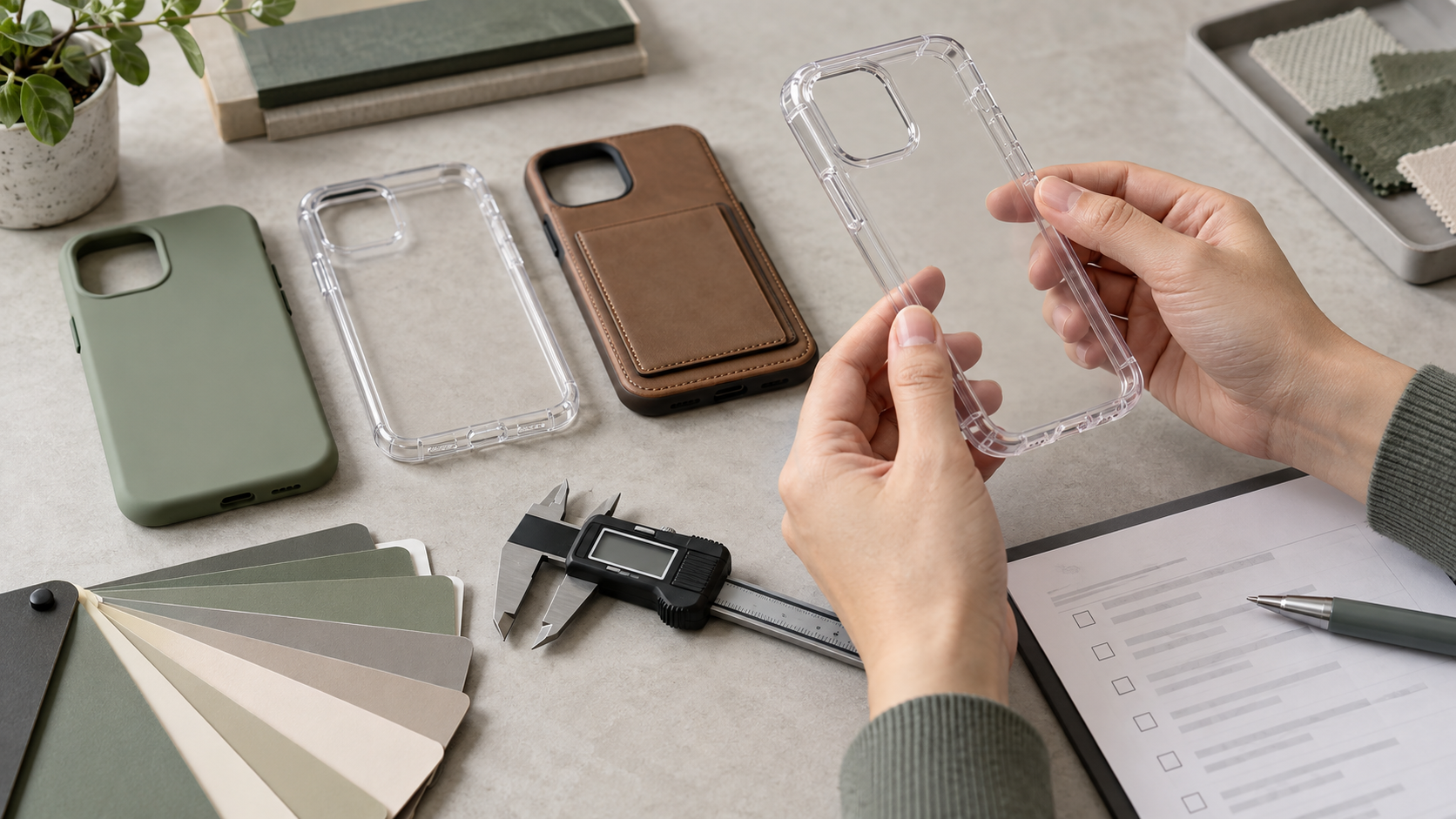
- Fit/access: Exact device; installation, camera, buttons, ports and screen protector.
- Appearance/assembly: Artwork, color, gloss, texture, joints, lining and component retention.
- Functions: The actual magnet, stand, hinge or wallet with the intended device/accessories.
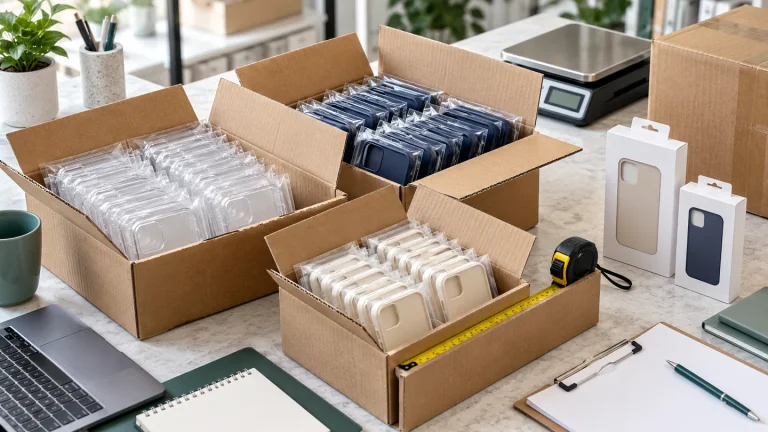
- Packed unit: Correct model label, artwork/barcode where needed and surface protection.
Use this correction record
- Sample version
- Device + material/finish + artwork revision.
- Observed issue
- Location + photograph + requirement not met.
- Required change
- Specific correction and adjacent features that may be affected.
- Recheck
- Revised sample, affected checks and approval decision.
Agree conditions for any shock, ageing or magnetic claim. Keep a retained sample and written specification; resample if a critical check fails.
Use these checks to confirm your manufacturer choice
Match evidence to the proposed case, process and company. Use this matrix to separate a confirmed answer from a supplier statement or missing item.
| Review area | Useful evidence | Pause if… |
|---|---|---|
| Business identity | Company details aligned across the quotation, invoice and payment instructions | The entities differ and the relationship is unexplained |
| Production responsibility | Assigned manufacturing site, process allocation and quality owner | No one can explain who makes or checks the product |
| Relevant experience | Comparable constructions and a sample using the proposed process | Unrelated catalog photos substitute for product evidence |
| Material and finish | Written construction, material identification and approved finish reference | The description changes between quote and sample |
| Performance claims | Reports applicable to the final case and stated test configuration | A raw-material document is offered as proof of finished-case performance |
| Repeat-order control | Versioned specifications, retained samples and a change-approval procedure | Materials or components can change without buyer approval |
Factory photos, a sales-office address and a certificate are different evidence. Resolve a critical gap before tooling or ordering; use a defined site-review scope when appropriate.
Request a Kejie quote with the right project scope
Request the same finished configuration and order split from each candidate. A different material, decoration or pack is a different proposal.
- Variant minimums
- Exact device/color/artwork/pack quantities and any mixed-order rules.
- One-off charges
- Sample, artwork preparation, fixtures/tooling and later modifications.
- Unit-price scope
- Material, components, decoration, packaging and included inspection.
- Schedule and delivery
- Sample versus bulk milestones; what starts the clock; same destination and shipment scope.
- Responsibilities
- Files/tooling, approved changes and handling of nonconforming goods.
There is no universal custom-case MOQ or lead time. Ask for project-specific terms. Request a scoped quotation from Kejie.
Check and approve samples before increasing the order quantity
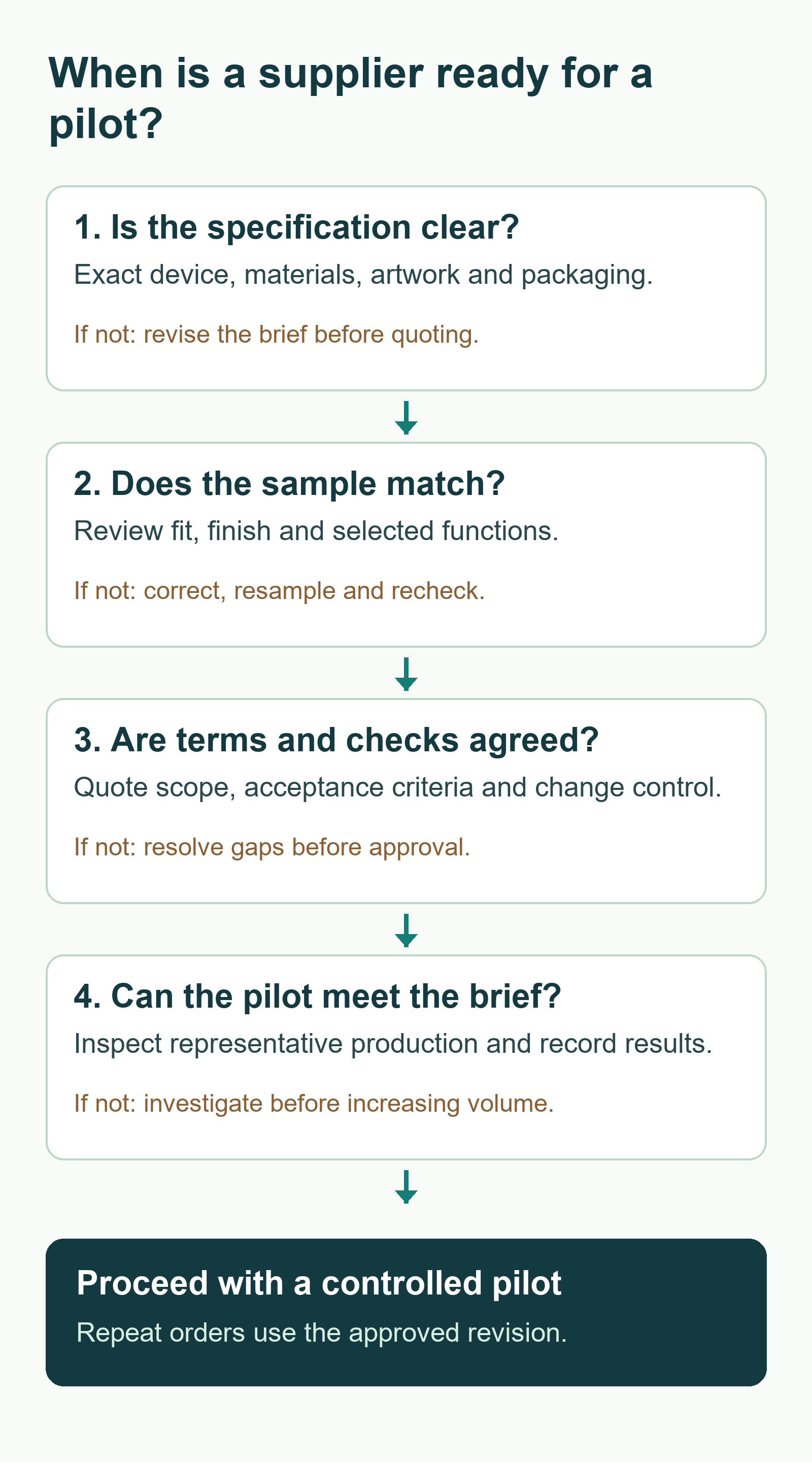
Sample approval sets the target; pilot approval checks representative production against it. Close specification, sample and quotation gaps before increasing volume.
Approval gates
- SpecificationResolve unknown device, material, artwork and pack details.
- SampleCorrect critical defects and approve the revised sample.
- TermsClose quotation, inspection and change-control gaps.
- PilotCheck representative production before increasing quantity.
Record the release decision
- Go
- Representative production meets the agreed specification and inspection criteria.
- Correct and recheck
- Record the deviation, correction and affected features before acceptance.
- Repeat order
- Use the same approved revision/color reference; review material, tooling, finish or component changes.
Start your custom phone case project with Kejie
Review Kejie’s OEM/ODM service and company information, then send the inputs below. You can identify undecided items as questions rather than inventing a finished specification.
- Devices and order
- Exact models; quantity per model/color; launch/reorder needs.
- Starting product
- Kejie link, drawing or annotated sample.
- Customization
- Material/finish, artwork, functions and retail packaging.
- Next decision
- Platform selection, sample review or a scoped quotation.
Practical customization questions
Can a logo be added without a new mold?
An existing shell may support selected logo treatments without geometry changes. Artwork setup, fixtures and packaging can still add work; ask which changes require tooling.
Does a stock minimum cover a private-label project?
Not necessarily. Custom print, colors, components or packaging may have separate minimums. Request the quantity for each selected combination.
 English
 Español de Argentina
 Русский
 Italiano
 日本語
 한국어
 العربية
 Français
 Deutsch